
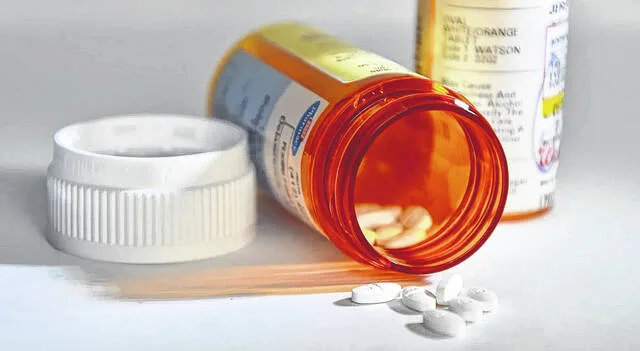
MARLBORO COUNTY — As part of their continuing effort to turn the tide of addiction in Marlboro, Sheriff Larry McNeil and his Marlboro County Sheriff’s office staff remain dedicated to keeping the public informed of some of the less obvious dangers of prescription drug abuse and dependency. According to information shared from the MCSO, in 2021 alone there were 80,816 opioid-involved overdose deaths in the United States.
In addition to retaining a visible presence in schools and the community through MCSO’s Anti-Opioid Awareness events and a drug prevention outreach program, Sheriff McNeil continues to share important overdose awareness information with the community. Most recently, how individuals can be affected by even prescribed substances.
MCSO Chief Deputy Larry Turner said the Sheriff’s Office is committed to supporting individuals struggling with substance use and connecting them with resources to help them make positive changes in their lives.
“As part of this effort, Drug Prevention Officer Deputy Santoria Young works in partnership with Trinity Behavioral to provide outreach, support, and assistance to individuals facing substance-related challenges,” Turner said. He added that Deputy Young’s community outreach helps educate residents, offer encouragement and connect individuals with available services.
He said, “Outreach also extends to the detention center, where Deputy Young meets with incarcerated individuals who wish to participate and provides information about resources available to support their recovery.”
The Sheriff’s Office cautions that prescription medications can be highly effective when used as directed, but misuse can result in addiction, respiratory depression, overdose, serious injury, or death. Misuse includes taking medications that were not prescribed to you, taking higher doses than directed, or combining medications with alcohol or other drugs.
Commonly misused medications
The Sheriff’s Office says there are many hidden dangers lurking in the medicine cabinet at home, including prescribed opioids for pain management and relief.
Opioids used for pain relief include:
• Codeine
• Hydrocodone
• Hydromorphone (Dilaudid)
• Meperidine (Demerol)
• Methadone
• Oxycodone (OxyContin, Percocet, Endocet)
• Oxymorphone (Opana)
• Fentanyl
• Carfentanil (an extremely potent veterinary opioid not approved for human use)
MCSO says this classification of drugs can cause dependence, severe respiratory depression, overdose, and death, especially when taken improperly.
Other substances mentioned by the MCSO include:
• Benzodiazepines (such as Xanax and Valium), which are used to treat anxiety and panic disorders. Misuse or mixing them with opioids or alcohol can lead to dangerous sedation, breathing problems, and death.
• Antidepressants (such as Prozac, Zoloft, Celexa, and Wellbutrin). While different from benzodiazepines, misuse can still cause serious adverse effects and can be dangerous in overdose situations.
• Cough and cold medicines, even some available without a prescription, can be harmful when taken in excessive amounts or for nonmedical purposes.
Law enforcement emphasizes the importance of identifying an overdose.
Overdose signs and symptoms:
• Unresponsiveness or inability to wake a person
• Slow, shallow, or irregular breathing
• Pinpoint pupils
• Unusual snoring, choking, or gurgling sounds
• Pale, clammy, or discolored skin
MCSO says the most important factor between life and death is often a timely response.
What to do if an overdose is suspected
• Call 911 immediately
• Administer naloxone if available
• Repeat naloxone doses if necessary
• Provide rescue breathing or CPR if trained
• Stay with the person until emergency help arrives
Chief Deputy Turner says the sheriff’s office always encourages individuals who suspect an overdose to call 911 immediately. He advises, “You can call (843) 897-4818 or send a private message thorugh the MCSO’s Facebook messenger to share your concerns. Our goal is to ensure that individuals know they are not alone and that help is available as they work toward recovery and a healthier future,” Turner said.
The bottom line is prescription medications can save lives when used correctly, but misuse carries significant risks. The MCSO encourages people to use medications responsibly, follow prescribing instructions, understand overdose warning signs, and seek medical guidance when needed.
“Together, through partnership, compassion, and community involvement, we can make a difference in the fight against substance abuse,” Turner said.